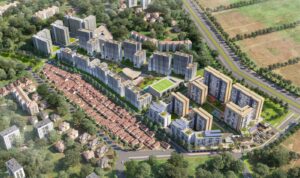
Building a three-bedroom precast house has become an increasingly popular choice in Kenya — especially for homeowners looking to balance cost, quality, and construction speed. Precast panel technology reduces on-site labour and shortens build timelines while delivering durable, modern homes.
Below is a detailed cost overview you can use on your website https://jowachconstruction.co.ke/ to help your clients understand what to budget when planning their precast house project.
Current Estimated Building Costs in Kenya (Context)
To understand precast house costs, it helps to first look at general construction price trends in Kenya:
📌 In urban areas like Nairobi, the average cost of building a standard residential home in 2025 ranged roughly between KES 48,750 and KES 84,000 per square metre, depending on finishes and design complexity. (wajenzistores.com)
📌 In other regions and categories:
- Standard homes across Kenya (2025) generally cost KES 35,000 to KES 80,000 per square metre, influenced by design, materials, and location. (newkenyan.com)
- High-end or luxury residential finishes can push costs above KES 70,000 per square metre. (boon.co.ke)
⚠️ Note: These figures vary from year to year due to changes in material prices, inflation, available labour, and economic conditions.
Estimated Cost of a Three-Bedroom Precast House in Kenya
1. Typical Cost Range
For a three-bedroom precast house (100–120 m²) with standard finishes:
- Total estimated cost: KES 2,500,000 – KES 4,500,000
- Cost per square metre: KES 25,000 – KES 35,000
These figures reflect typical market experience from precast construction projects and include materials, panel fabrication, and installation. (Jowach Construction Ltd)
📌 For example, a three-bedroom precast house with basic to standard finishes is often completed within this range when built using a systematic, panel-based approach. (Jowach Construction Ltd)
2. Breakdown of Key Cost Components
When estimating the cost of a three-bedroom precast house, several components come into play:
Materials
- Precast concrete panels (walls, slabs)
- Reinforcement (steel bars, mesh)
- Roofing (iron sheets or tiles)
- Finishes (floor tiles, windows, doors, plastering)
Labour
Precast reduces on-site labour because much of the panel production happens in a factory and only assembly and finishing happen on site.
Transport & Logistics
Cost of transporting panels to the site varies with location — urban sites (e.g., Nairobi) may have lower transport costs than remote rural locations.
⚠️ Note that the above is a general estimate — exact pricing will depend on design choices, foundation requirements, site access, and material selections.
3. Factors That Influence Final Costs
Several factors can significantly affect the total investment required:
Design Complexity
- Simple rectangular layouts cost less per square metre.
- Curved or custom architectural features increase panel fabrication time and cost.
Finishes and Fixtures
- Basic finishes keep costs lower.
- Premium finishes like ceramic tiles, aluminium frames, and decorative facades raise the final price.
Location
- Urban builds often cost more due to higher labour rates and sometimes higher permit fees.
- Remote sites can incur higher transport expenses for delivering panels.
Foundation and Soil Conditions
Stronger soil may require simpler foundations, while difficult ground conditions (like soft or rocky soil) may need deeper or reinforced foundations.
Why Precast Panels Can Be Cost-Effective
Precast construction is often more economical in the long run for several reasons:
✔ Faster Build Time – Homes can be assembled in weeks, saving on labour and project overheads.
✔ Reduced Labour Costs – Less on-site construction time means fewer labour days.
✔ Controlled Quality – Panels manufactured in a factory tend to be more consistent, reducing defects and rework.
✔ Lower Waste – Factory production limits on-site wastage, which reduces material costs.
These benefits often translate to total project savings compared to conventional brick-and-mortar construction, even if the panel materials are priced similarly to traditional materials on a per-square-metre basis. (newkenyan.com)
Conclusion
A three-bedroom precast house in Kenya in 2026 typically costs KES 2.5M to KES 4.5M — depending on size, finishes, location, and design complexity. This makes precast a competitive and efficient alternative to traditional construction, especially for clients who value speed, quality, predictability, and cost control.
⚠️ Disclaimer: Building costs are subject to change due to fluctuations in material prices, labour rates, and economic conditions. The figures above are estimates intended for general planning purposes.