At Jowach Construction, we’ve built our reputation on solving exactly this problem — giving Kenyans abroad a way to build with confidence, transparency, and real accountability, no matter which time zone they’re in. This guide walks you through what it actually costs to build in Kenya today, the biggest risks diaspora clients face, and how to structure a project so it gets built right the first time.
Why So Many Kenyans Abroad Are Building Now
Kenya’s diaspora remittances have grown into one of the country’s largest sources of foreign income, and a significant share of that money goes directly into real estate and construction. Building at home isn’t just sentimental — it’s increasingly seen as one of the smartest long-term investments available, especially with land values rising steadily around Nairobi’s satellite towns like Ruiru, Kiambu, Athi River, and Kitengela, as well as regional hubs like Eldoret, Kisumu, and Nakuru.
But timing your build well matters. Material costs in Kenya have been volatile, and the gap between what people budget and what they actually spend has widened. Before you commit funds, you need realistic numbers — not the optimistic estimate a relative gave you over a phone call five years ago.
What Does It Actually Cost to Build in Kenya in 2026?
Let’s start with the numbers, because this is where most diaspora budgets go wrong.
Cost Per Square Metre
Construction costs in Kenya in 2026 vary significantly by finish level and location:
- Basic residential finish: roughly Sh50,000–65,000 per square metre
- Standard residential finish: roughly Sh65,000–90,000 per square metre
- Premium/high-end finish: roughly Sh90,000–122,000+ per square metre
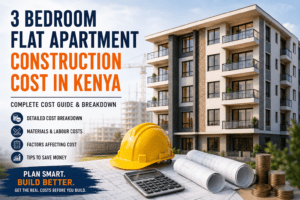
For a typical 3-bedroom bungalow (around 100–120 square metres), this translates to a construction-only cost (excluding land, permits, and external works) of approximately Sh3.5 million to Sh9.5 million, depending on your specification choices.
Location Matters More Than You Think
Nairobi and its satellite towns (Kiambu, Ruiru, Thika) generally carry the highest material delivery and labour costs because of demand and proximity to major suppliers. Mombasa tends to run 5–10% higher due to coastal logistics and the need for humidity-resistant materials. Kisumu and Nakuru are often 5–10% cheaper thanks to lower labour rates. If you’re building in a remote rural area, budget an additional 15–25% for material transport and limited access to skilled labour — this is a detail many diaspora clients miss when comparing notes with friends who built in a different county.
Key Material Prices Right Now
| Material | Current Price Range |
|---|---|
| Cement (50kg bag) | Sh650 – Sh850 |
| Steel reinforcement bars (D8–D25) | Sh450 – Sh4,400 |
| Roofing sheets (mabati, per metre) | Sh550 – Sh1,000 |
| Wall/floor tiles (per box) | Sh550 – Sh1,250 |
| Gypsum ceiling boards (per sheet) | Sh450 |
| Concrete slab (12×12 ft, fully installed) | Sh45,000 – Sh70,000 |
Prices shift based on supplier, brand, and transport distance from the depot to your site — another reason working with a contractor who has established supplier relationships matters far more than people realize.
Why Costs Keep Rising
Kenya’s construction sector is highly sensitive to import costs and currency fluctuations. Finishing materials — tiles, sanitary ware, electrical fittings — are often imported, which means their prices move with the shilling’s exchange rate against the dollar. Add to that the rising cost of fuel, which directly affects the cost of transporting bulk materials like sand, ballast, and cement to the site, and you get a market where a budget set six months ago can already be outdated.
This is exactly why industry experts now recommend a minimum 20% contingency on every residential project — not 10%, as was common a few years ago. If you’re budgeting from abroad without that buffer, you’re setting yourself up for a mid-project funding crisis.
The Real Risks of Building from Abroad
Cost is only half the story. The bigger risk for diaspora clients isn’t usually how much — it’s what happens to the money once it’s sent.
1. Lump-sum payments with no verification.
Sending a large amount upfront “to get things moving” is the single most common mistake. Without milestone-based payment structures, there’s no real incentive for a contractor to deliver on schedule — or at all.
2. Relying on a relative as informal supervisor.
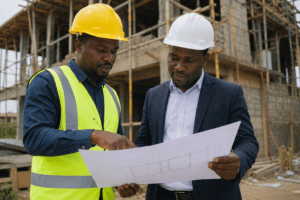
It’s understandable to want someone you trust on the ground. But unless that person has construction expertise, they often can’t tell when a slab is undersized, when substandard materials are used, or when a contractor is cutting corners on reinforcement.
3. No written Bill of Quantities (BoQ).
Many people skip the BoQ to save the quantity surveyor’s fee — often just Sh30,000–100,000. But that “saving” is false economy: cost overruns on projects built without a proper BoQ routinely run 30–50% over budget. On a Sh5 million project, the QS fee is less than 2% of total cost — cheap insurance against a much bigger loss.
4. Pausing construction at the wrong stage.
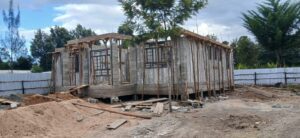
Diaspora builds are often phased due to remittance cycles. That’s fine — but a structure left exposed at slab level for months or years, without weatherproofing, lets water and rust destroy the steel reinforcement. If you must pause, pause at a point where the structure is lockable and protected, not mid-foundation.
5. No photographic or video proof of progress.
“It’s coming along well” is not a progress report. Without dated photos and video tied to specific milestones, you have no way to verify what your money has actually built.
How Jowach Construction Builds for Diaspora Clients
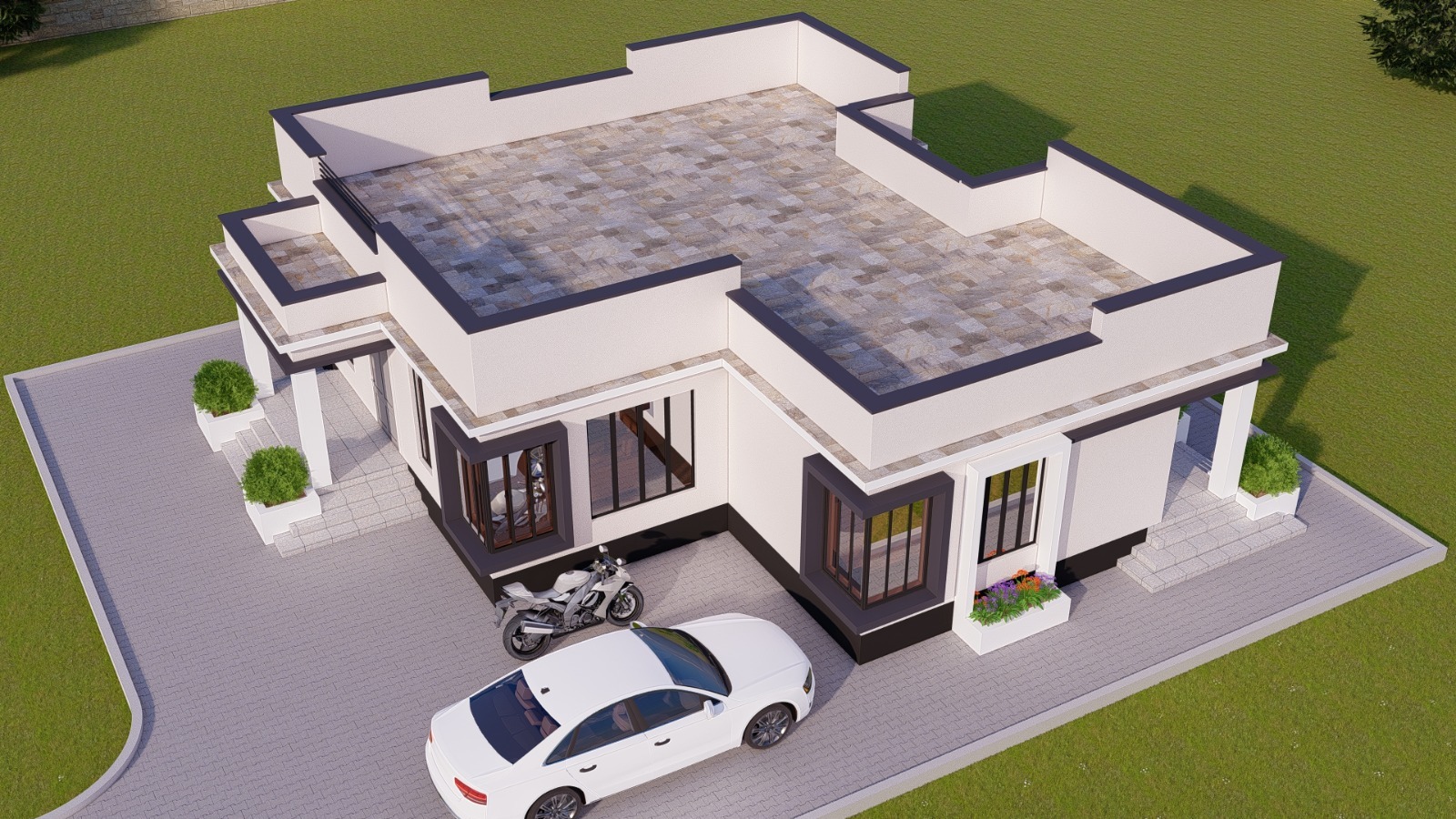
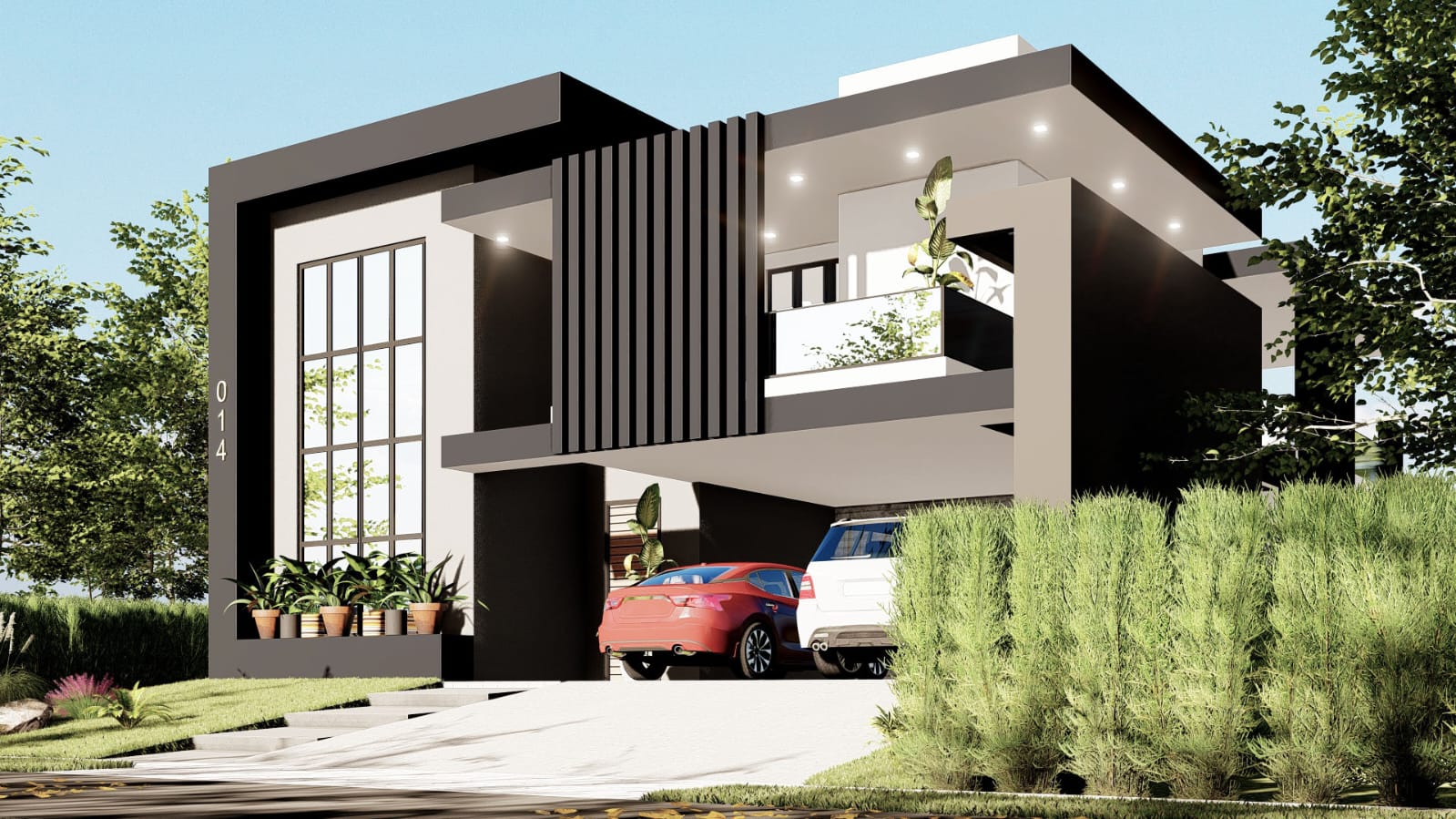

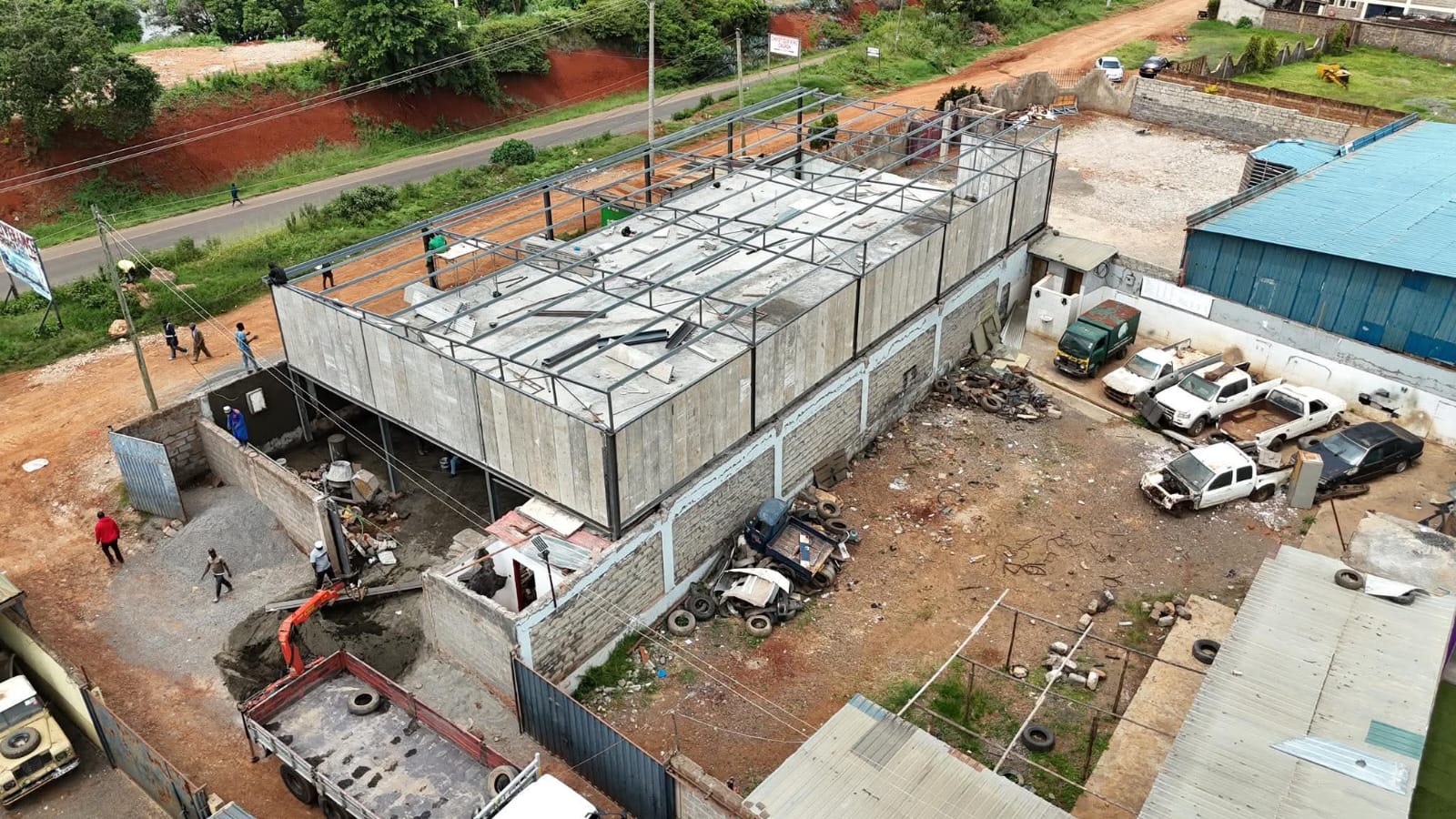
We’ve designed our entire diaspora process around solving these exact problems.
Remote design and consultation. We review your plans, share 3D renders, and walk through material selections with you over video call — wherever you are in the world. You don’t need to be in Kenya to make informed decisions about your home.
Milestone-based payments. We never ask for lump-sum transfers. Payments are structured against verified construction stages — foundation, slab, walling, roofing, finishing — with photographic and video evidence provided before each drawdown is requested. You always know exactly what you’re paying for.
Weekly progress reporting. Our site supervisors conduct regular site visits and send you weekly updates with photos, so you can watch your home take shape in real time, no matter the time difference.
Full Bill of Quantities, every project. We don’t treat the BoQ as optional. Every Jowach Construction project starts with a detailed, transparent quantity survey so you know the true cost before you commit a single shilling.
Verified supplier sourcing. We source materials directly from trusted suppliers and manage all deliveries to site — removing one of the biggest vectors for fraud and theft on diaspora-managed builds.
Why Build With Jowach Construction
Building a home from abroad requires more than a good contractor — it requires a partner you can trust to act in your interest when you’re not there to check. That’s the standard we hold ourselves to on every project.
- Transparent, milestone-based payment structures built specifically for diaspora clients
- Detailed Bills of Quantities prepared before construction begins, so there are no surprise costs
- Weekly photo and video progress reports sent directly to you
- Verified material sourcing to protect you from substandard supplies and price inflation
- Experience building across Nairobi and its satellite towns, with realistic guidance on regional cost variations
- A direct line to our team at every stage — no disappearing contractors, no silence
When you build with Jowach Construction, you’re not just hiring labour. You’re partnering with a team that treats your investment with the same care as if it were our own.
Practical Tips Before You Start
- Get a formal BoQ before sending any money. This is non-negotiable, regardless of who you build with.
- Budget a minimum 20% contingency above your initial estimate, given current material price volatility.
- Choose phased construction deliberately — plan your pause points at structurally complete, weatherproof stages.
- Request milestone-based payment terms in writing before construction begins.
- Ask for weekly photo/video updates as a standard part of your contract, not a favour.
- Factor in location-based cost differences — a quote for a Nairobi build won’t match a quote for Kisumu or a remote upcountry plot.
Frequently Asked Questions
How much does it cost to build a 3-bedroom house in Kenya in 2026?
For a typical 100–120 square metre 3-bedroom bungalow, construction costs alone (excluding land and permits) range from approximately Sh3.5 million to Sh9.5 million, depending on finish level and location. Contact Jowach Construction for a tailored estimate based on your specific plot and design.
Can I really manage a construction project in Kenya while living abroad?
Yes — with the right partner. Jowach Construction handles remote design consultations, milestone-based payments, verified supplier sourcing, and weekly progress reporting specifically so diaspora clients can build with confidence without being physically present.
What’s the biggest mistake diaspora clients make when building in Kenya?
Sending lump-sum payments without a Bill of Quantities or milestone structure in place. This removes accountability and is the leading cause of stalled or overbudget diaspora projects.
How do I get started with Jowach Construction from abroad?
Reach out to us at +254 704 264302 or visit jowachconstruction.co.ke to schedule a video consultation. We’ll walk you through site evaluation, design options, and a full cost breakdown before you commit any funds.
Start Building With Confidence, Wherever You Are
You don’t have to choose between building your dream home in Kenya and staying focused on your life abroad. With the right structure — a real BoQ, milestone payments, and honest reporting — your project can move forward on schedule, on budget, and exactly to plan.
Talk to Jowach Construction today. Call or WhatsApp us at +254 704 264302, or visit jowachconstruction.co.ke to start your diaspora building journey with a team that puts transparency first.