Few government initiatives in recent Kenyan history have generated as much attention — both praise and criticism — as President William Ruto’s Affordable Housing Programme. Branded publicly under the Boma Yangu platform and anchored in the wider Bottom-Up Economic Transformation Agenda (BETA), the programme set out in 2022 with one of the most ambitious housing targets the country has ever attempted: 200,000 low-cost housing units delivered every single year.
Four years on, the programme has moved decisively from political promise into physical, visible construction across dozens of counties. Cranes are up in Kibera. Ground has been broken in Machakos. Foundations are rising in Busia. At the same time, the programme has faced real scrutiny — over funding gaps, the fairness of the housing levy, and whether annual delivery numbers are actually matching the targets announced from podiums.
This is a complete, detailed look at where the Affordable Housing Programme stands in 2026: the numbers, the flagship projects county by county, the policy changes reshaping who can access a unit, the criticism the programme continues to face, and a practical breakdown of how the application process actually works for anyone hoping to own a unit themselves.
How the Programme Began
To understand where the programme is today, it helps to revisit where it started. When Dr Ruto took office in 2022, he promised to deliver 200,000 low-cost housing units per year — a target far larger than anything Kenya’s housing sector had previously attempted at a national scale. Daily Nation
Early progress reports to Parliament gave a sense of the scale of ambition. Ruto told lawmakers that 46,792 units in various parts of the country were already underway, while another 40,000 were ready to commence construction. He added that 50,000 Kenyans who had previously been unemployed were already engaged directly or indirectly in the housing enterprise, framing the programme from the outset not just as a construction drive but as a jobs programme. Daily NationDaily Nation
The pipeline behind those early figures was even larger. A total of 746,795 housing units were reported to be in the pipeline, undergoing various stages of delivery — a number that included projects in design, tendering, groundbreaking, and active construction phases across the country. Daily Nation
The Legal Backbone: The Affordable Housing Act
A programme of this scale needed a funding mechanism, and that came in the form of the Affordable Housing Levy. President Ruto signed the Affordable Housing Bill into law, establishing a framework for the collection of the housing levy and the implementation of the affordable housing programme. President of the Republic of Kenya
At the signing ceremony at State House, Ruto said the implementation of the programme would transform the lives of Kenyans at the bottom of the pyramid by creating jobs, providing decent housing, and reducing agricultural land fragmentation. He commended Parliament — both the National Assembly and the Senate — for working to pass the Bill, while then-Deputy President Rigathi Gachagua stated that the housing programme would provide decent homes to Kenyans, and Prime Cabinet Secretary Musalia Mudavadi noted that the Bill’s signing would pave the way for the project’s implementation. President of the Republic of Kenya + 2
This legal framework is what allows the government to deduct the housing levy from salaried workers’ pay and channel it into the Affordable Housing Fund — the financial engine behind every project described in this report.
The Numbers in 2026: How Big Has the Programme Become?
Units Delivered and Under Construction
The headline figures have grown substantially since the programme’s early days. In his 2025 State of the Nation Address, Ruto announced that his administration had delivered the most extensive housing rollout in the country’s history: 230,000 affordable homes. Daily Nation
That figure was reinforced in subsequent addresses to Parliament. Ruto told lawmakers that current government data showed work underway on 230,000 housing units nationwide — described as the largest number handled under any single national programme. The rollout includes both small, standalone projects and large multi-storey developments, implemented through a mix of public, private, and joint public-private arrangements, with the explicit goal of increasing housing supply in both urban and semi-urban areas while ensuring local contractors and suppliers are involved in delivery. Eastleigh Voice + 2
Looking specifically at the current annual build target, President Ruto has stated that the Kenya Kwanza administration is working on nearly 250,000 housing units across the country, with 100,000 of these targeted for Nairobi alone — a concentration that reflects the scale of the capital’s own housing deficit and informal settlement population. Mjengo Hub
A more granular breakdown given by the President puts the geographic spread of these projects into sharper focus: the Kenya Kwanza administration is building close to 250,000 housing units across 215 sites nationwide, with 100,000 of those units located in Nairobi. The Standard
Job Creation Numbers
Beyond the housing units themselves, the employment impact of the programme has become one of its most frequently cited achievements. The programme has created over 428,000 jobs, spanning architects, engineers, fundis, plumbers, electricians, carpenters, masons, steelworkers, and transporters, along with thousands of micro, small, and medium enterprises involved in fittings, fabrication, and interior works. Daily Nation
Ruto has been explicit about where this is heading. “At its peak next year, it will employ up to one million Kenyans,” he told Parliament. That projection appears to be tracking close to plan: in his New Year address heading into 2026, Ruto noted that about one million Kenyans were already accessing employment opportunities linked to housing projects across the country, describing the programme as both a social intervention and a major job creation engine. Daily NationCapitalFM
Programme Structure: Three Categories of Housing
A detail that’s often lost in headline figures is how the units themselves are categorised. The affordable housing programme has three categories of houses: social, affordable, and market-rate. This tiered structure allows the programme to serve different income brackets simultaneously — from the most vulnerable households in informal settlements to salaried middle-income workers looking to own a home for the first time. Daily Nation
Crucially, the interest on financing for buying the various units has been set at single digits, giving poorer households a realistic opportunity to own homes — a sharp contrast to commercial mortgage rates in Kenya, which have historically priced most low- and middle-income earners out of home ownership entirely. Daily Nation
Flagship Project Deep Dive: Kibera Soweto East Zone B
If there’s one project that has come to symbolise the entire Affordable Housing Programme, it’s the transformation underway in Kibera — widely regarded as one of the largest informal settlements in Africa.
Scale and Status
As of late April 2026, the Sh7.4 billion Kibera Soweto East Zone B Affordable Housing Project in Nairobi had crossed the 80% completion mark. The project’s unit breakdown gives a clear sense of who it’s designed to serve: 4,465 housing units in total, made up of 3,052 one-room units, 1,100 two-room units, and 313 three-room units — a mix weighted heavily toward smaller, lower-cost units suited to the income realities of current Kibera residents. Mjengo HubNairobi Wire
The President’s Site Visit
President Ruto personally inspected the site in late April 2026. During the visit, he confirmed the development was entering its final phases and used the moment to address ongoing criticism of the broader programme directly. He said the housing agenda would succeed despite opposition from critics, noting that the primary goal remains building dignity for every Kenyan by providing modern, well-equipped homes with essential services. Mjengo HubMjengo Hub
In his own words at the site: “The transformation of informal settlements is not just about housing; it is about restoring dignity, improving livelihoods, and creating opportunities for millions of Kenyans. We are determined to ensure that every Kenyan, regardless of income, has access to decent and affordable housing.” Nairobi Wire
Beyond the Housing Units
What distinguishes Soweto East Zone B from a simple housing block is the scope of supporting infrastructure built into the project. Beyond the residential blocks, the development incorporates several social amenities intended to support a self-sustaining community, including a primary school, a kindergarten, a health centre, and dedicated commercial and recreational spaces. Mjengo Hub
Infrastructure investment has matched the residential ambition. Engineers have prioritised the construction of internal access roads and a paved road linking the estate to Joash Olum Primary School. On the utilities side, water supply will come from two boreholes located within the facility, complemented by a new sewer line and a solid waste management system. Flood control measures are also part of the design, including an open drainage system and culverts channelling rainwater to the Ngong River. Mjengo Hub + 2
Economic Impact on the Ground
The project’s footprint extends well beyond the eventual residents. More than 2,500 direct jobs have been created through the local community as a result of this single development — separate from the broader 428,000+ jobs figure tied to the national programme as a whole. Mjengo Hub
What’s Next for Kibera
The Soweto East project is explicitly framed as just the beginning of a wider transformation of the settlement. Ruto announced that ground would soon be broken for the construction of another 15,000 homes in Kibra — a figure more than three times the size of the current Zone B project. Nairobi Wire
Separately, the State Department for Housing and Urban Development is working to unlock further capacity in Kibera through plans to revive a stalled Kenya Railways Corporation project, expected to add another 900 units to the area’s housing stock. Mjengo Hub
Other Major Projects Across the Country
While Kibera dominates headlines, the programme’s footprint stretches across multiple counties, each with its own scale and local significance.
Mavoko, Machakos County
President Ruto led the ground-breaking ceremony for the Mavoko Affordable Housing Project, using the occasion to reaffirm the government’s broader strategic direction. He said the ceremony confirmed the government’s strategic focus on expanding access to quality, spacious, clean, safe, and secure dwelling places at affordable cost across the country. President of the Republic of KenyaPresident of the Republic of Kenya
Mukuru, Rongai, and Early Kibera Commissioning
Before the current phase of Kibera construction, the government had already delivered units in nearby informal settlements. The President had already commissioned 17,850 units in Mukuru, Rongai, and Kibera to ease the housing burden affecting low-income earners, as part of a programme that targets the over 6.5 million Kenyans living in slums and informal settlements nationwide. President of the Republic of KenyaPresident of the Republic of Kenya
Funyula, Busia County
The programme’s reach extends well beyond Nairobi’s informal settlements into Kenya’s wider counties. Construction at the Funyula Affordable Housing Project in Busia County has reached 47% completion, creating jobs as Kenya advances its national housing programme into regions historically underserved by large-scale formal housing development.
Student Housing: A Parallel Track
Family housing isn’t the only category under construction. The programme has run a parallel student accommodation track aimed at easing pressure on tertiary institutions nationwide. The government has packaged 178,000 student beds for universities, technical institutions, and medical training colleges, with 74,000 of those already under construction — a significant intervention given chronic accommodation shortages at many public universities and colleges.
The Wider Nairobi Transformation
The housing push in the capital is being framed as part of a larger urban renewal effort. Ruto has described the broader vision as one of “transforming the face of Nairobi to match its status as Kenya’s capital city and the gateway to Eastern Africa”, with the housing programme running in parallel to an Sh80 billion investment, made in partnership with the Nairobi City County Government, into the construction of 260km of roads and the installation of 40,000 street lights across the city.
What’s New in 2026: The Deposit Reduction
Perhaps the single most consequential policy change for ordinary applicants this year came on Labour Day, May 1, 2026.
The Announcement
President Ruto announced a reduction in the deposit required for allocation of an affordable housing unit, cutting it from 10% to 5%, in a move explicitly aimed at expanding access to home ownership for salaried Kenyans.
Speaking at the Labour Day celebrations, the President framed this as the fulfilment of a specific prior commitment. “It is confirmed that the commitment I made to COTU last year has been delivered. The deposit required for the application of allocation for an affordable housing unit has now come down from 10 per cent to 5 per cent. This applies to every salaried Kenyan, and the reduction has been codified in our allocation framework and in the affordable housing regulation passed in 2025,” Ruto stated.
What This Means Practically
In real terms, this is a meaningful reduction in the upfront capital a worker needs to access a unit. Salaried workers will now pay just 5% of a unit’s value upfront, down from the previous 10% requirement — effectively halving the initial barrier to entry for formally employed Kenyans applying through the Boma Yangu platform.
The Role of Labour Unions
The policy shift didn’t happen in isolation — it followed sustained engagement with organised labour. Discussions to reduce the down-payment deposit from 10% to 5% had already been underway in the period leading up to the formal Labour Day announcement, reflecting pressure that had built up over the preceding year.
At the same event, Ruto called on the Central Organisation of Trade Unions (COTU) and its affiliate unions to mobilise members to register on the Boma Yangu platform and apply for available housing categories. He also addressed concerns about unresolved applications directly: “Where there are specific cases of workers who have applied and not been served, bring them forward and we will resolve them,” he said, while thanking workers for supporting the government’s transformative programmes in housing, education, and health.
How the Application Process Works
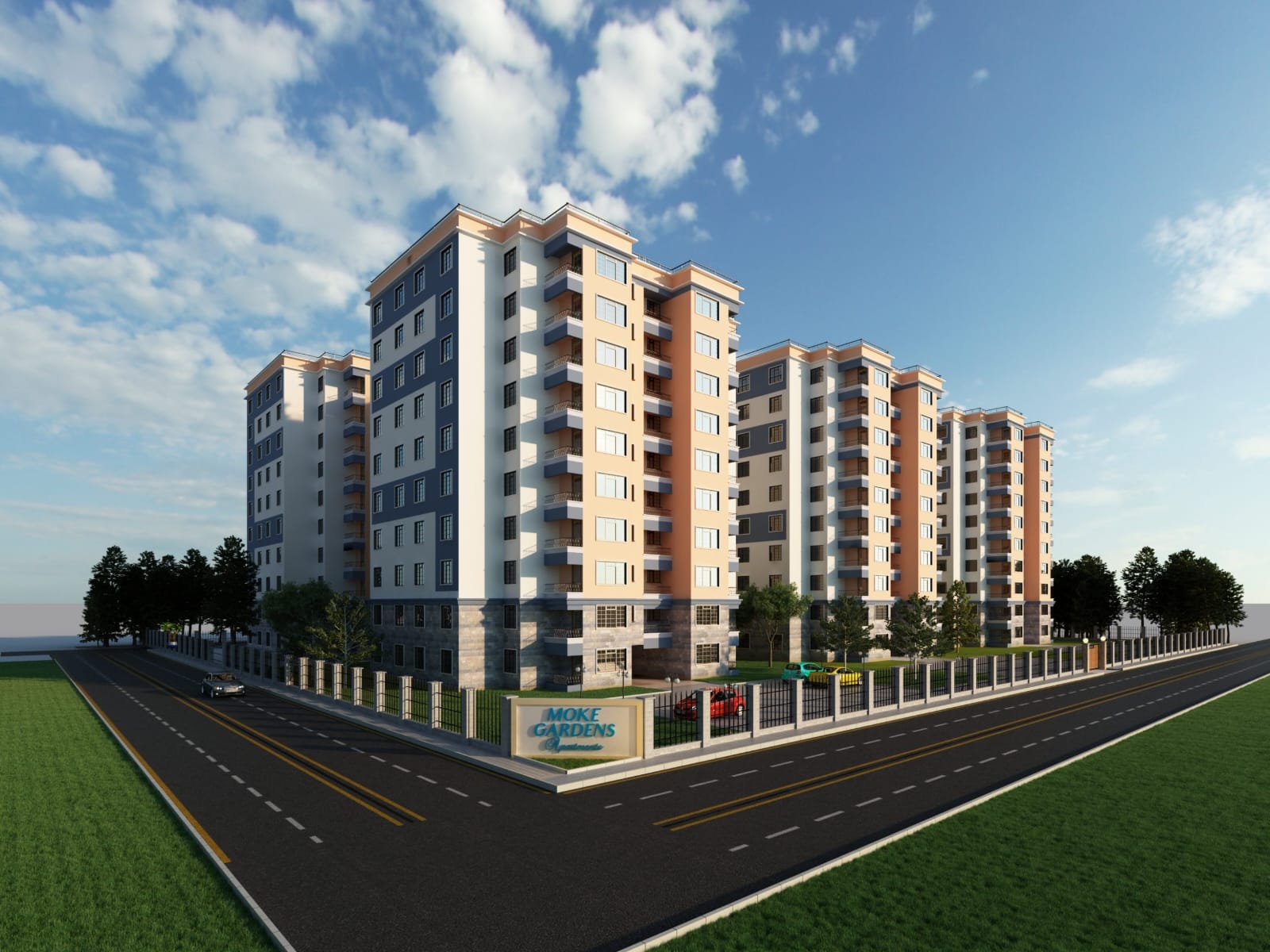
For anyone considering applying for a unit, the process runs through the Boma Yangu digital platform, which serves as the official registration and allocation system for the Affordable Housing Programme. The general structure works as follows:
- Registration: Applicants register on the Boma Yangu platform using their personal and employment details.
- Saving toward the deposit: Applicants build savings toward the required deposit — now reduced to 5% of the unit value for salaried Kenyans following the 2026 policy change.
- Unit category selection: Applicants choose from the available categories (social, affordable, or market-rate) based on income level and unit size needs.
- Allocation: Units are allocated based on registration, savings progress, and availability within a chosen project site.
- Financing: Successful applicants access single-digit interest financing for the remaining balance, structured to be repayable over an extended period.
Given the reported issues with unresolved applications mentioned by the President himself, applicants are encouraged to keep clear records of their registration and payment history, and to follow up directly through union representatives or official housing programme channels if delays occur.
Challenges Facing the Programme
No assessment of the Affordable Housing Programme would be complete without addressing the real friction points that continue to surface in 2026.
Funding and Operational Constraints
Despite the visible construction activity, the programme’s financial picture is more complicated than headline unit counts suggest. Official reports indicate financial and operational constraints affecting implementation, with Treasury submissions and parliamentary disclosures in 2026 noting reductions in donor funding and staffing shortages within the housing programme.
Levy Compliance Gaps
The programme’s funding model depends on consistent levy collection from employers, and compliance has been uneven. Audit findings have highlighted compliance gaps in Housing Levy remittances by several employers, alongside concerns over the pace of unit delivery compared to annual targets — meaning some workers may have levy deductions taken from their pay that aren’t being properly remitted by their employers.
Where the Money Sits
There are also questions about how efficiently collected funds are being deployed. As of mid-2025, the Affordable Housing Fund had collected tens of billions of shillings, with thousands of housing units completed against a much higher annual target. Notably, a significant portion of these funds remains invested in government securities pending project execution — a detail that has fuelled scrutiny over whether levy contributions are being converted into physical housing quickly enough.
Calls for Greater Oversight
This funding picture has driven political momentum for stronger accountability mechanisms. There has been a push by Members of Parliament to grant the Controller of Budget oversight powers over affordable housing billions, reflecting concern in Parliament about the scale of public funds flowing through the programme without sufficiently robust independent scrutiny.
Fairness Debates Around the Levy
The structure of who pays for the programme has also remained politically contentious. A core point of contention is the alleged unfairness of the Affordable Housing Act, which critics argue burdens formal sector workers disproportionately — since the levy is deducted directly from payroll, informal sector workers and self-employed Kenyans largely sit outside the same direct contribution structure, even as they remain eligible to apply for units.
Lagging Sectors as a Point of Comparison
Housing’s progress also stands in contrast to other infrastructure pledges from the same administration. Projects in the water and sports sectors — such as the construction of mega dams and stadia — have lagged behind their own targets, even as progress in housing and broader infrastructure development now faces its own sharp 2026 delivery test. This comparison has become a recurring reference point for critics assessing whether the administration’s most visible wins are representative of overall delivery capacity.
The Government’s Response to Criticism
Government messaging throughout 2026 has consistently framed the criticism as noise that won’t derail the programme’s momentum.
Speaking directly after the Kibera site inspection, Ruto vowed to continue implementation of the affordable housing project, stating that despite the noise and heckling around the project, his government remains committed to elevating the quality of life for residents of informal settlements through the development of modern, well-equipped housing units with essential amenities.
He has also pointed to what he describes as a genuine shift in public sentiment as evidence the programme is working. In his State of the Nation Address, Ruto noted that the programme began amid widespread doubts from Kenyans who questioned its feasibility, facing dismissal, resistance, and periods of uncertainty. According to the President, public perception has since shifted dramatically as construction work has expanded: “Today, those doubts have given way to a very different question from Kenyans everywhere: How do I get one of those units?” he told lawmakers.
How Housing Fits Into the Bigger 2026 Picture
The Affordable Housing Programme isn’t being presented in isolation — it’s positioned as one pillar of a broader economic narrative for the year. In his New Year national address, President Ruto declared 2026 a “watershed year” for the economy, stating that sectoral reforms rolled out over the past year were beginning to bear fruit, positioning the country to reap greater economic and social returns through 2026.
Within that address, Ruto highlighted the affordable housing programme alongside gains in agriculture, digital employment, health, and education as evidence of a country on the right economic trajectory, while reaffirming the government’s broader commitment to fiscal discipline and structural reform.
Key Takeaways: The Programme at a Glance
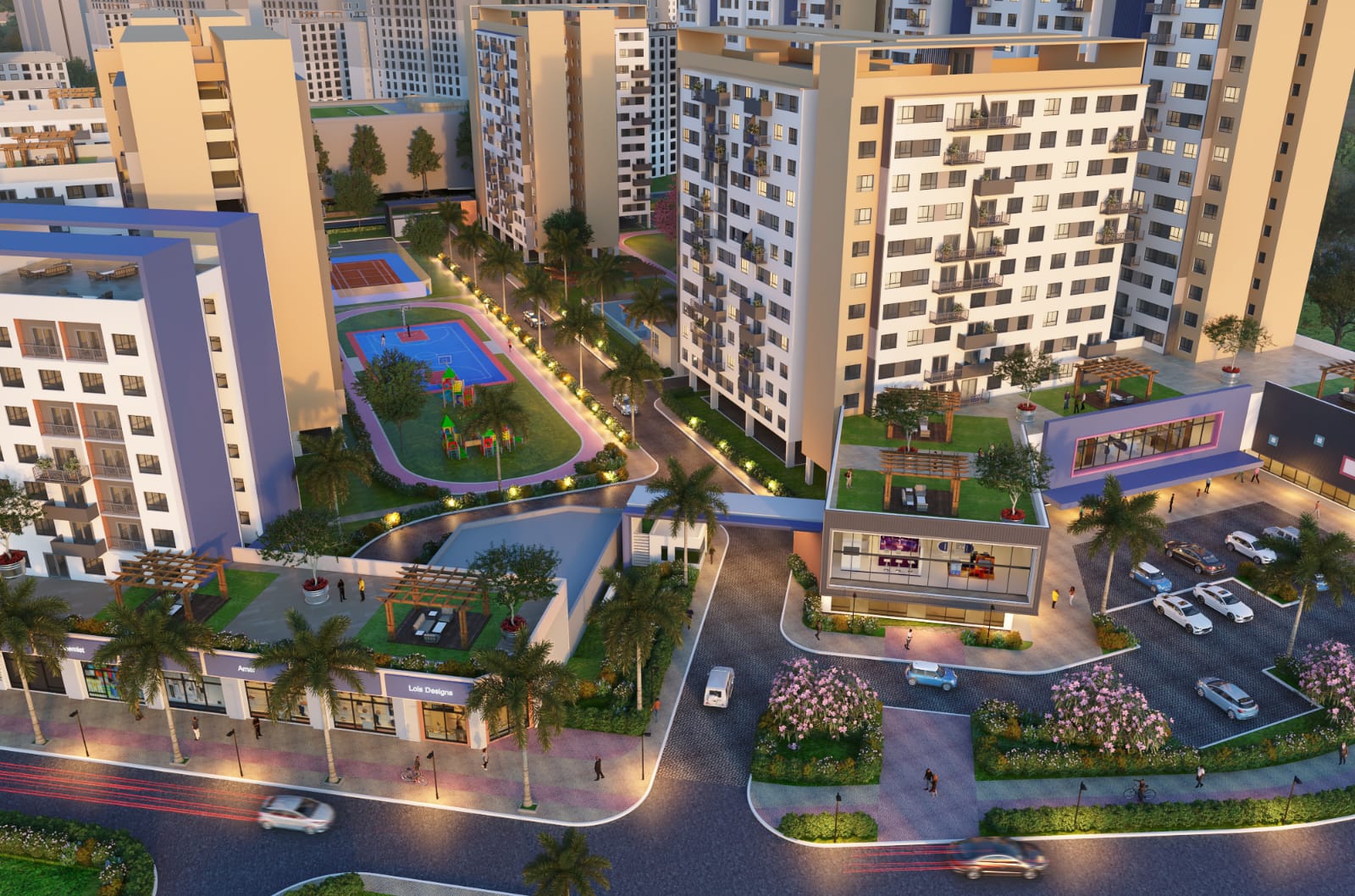
- Original target: 200,000 low-cost housing units delivered annually, announced in 2022
- Current scale: 230,000+ units delivered or under active construction nationwide, across roughly 215 sites
- Annual target now: Close to 250,000 units per year, with 100,000 specifically targeted for Nairobi
- Jobs created: Over 428,000 direct and indirect jobs to date, with a stated peak target of one million Kenyans employed
- Flagship project: Kibera Soweto East Zone B — Sh7.4 billion, 4,465 units, over 80% complete as of April 2026, with 15,000 more units planned for Kibra
- Other major sites: Mavoko (Machakos), Mukuru, Rongai, and Funyula (Busia) among them
- Student housing: 178,000 beds packaged, with 74,000 already under construction
- Major 2026 policy change: Deposit requirement for salaried Kenyans cut from 10% to 5%, effective from the Labour Day 2026 announcement
- Ongoing challenges: Donor funding reductions, staffing shortages, housing levy compliance gaps, and unspent fund balances sitting in government securities
- Oversight pressure: Parliamentary push for the Controller of Budget to gain oversight powers over affordable housing funds
Final Word
The Affordable Housing Programme has, by almost any measure, become one of the most physically visible government initiatives in Kenya today — concrete being poured, cranes operating, and entire informal settlements being reshaped block by block. At the same time, the gap between stated annual targets and actual completed units, along with persistent questions about fund management and levy fairness, means the programme’s long-term credibility will likely be judged less by groundbreaking ceremonies and more by sustained, transparent delivery in the years ahead.
For now, the scale of activity — from Kibera to Mavoko to Funyula — suggests a programme that has moved well past its early skepticism into a genuine, if imperfect, national construction effort.

Need Help With Your Own Construction Project?
While the Affordable Housing Programme continues to expand nationwide, many Kenyans — at home and in the diaspora — are also pursuing their own private home-building projects outside the government scheme. If you’re planning a build and want a trusted, transparent contractor to manage it from start to finish, Jowach Construction is here to help.
📞 Call or WhatsApp: +254 704 264302
🌐 Visit: jowachconstruction.co.ke
Get in touch today for a consultation on your next construction project.