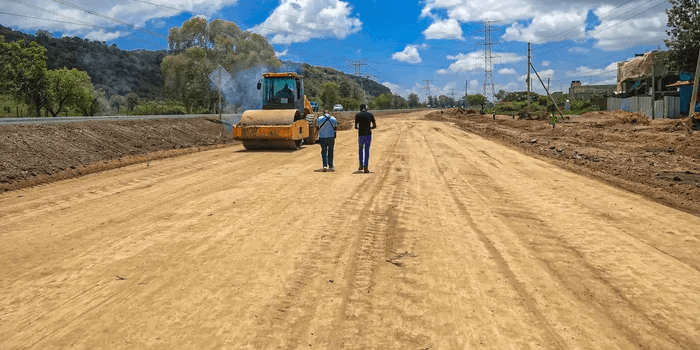
For years, there has been a common problem affecting motorists using the Nairobi-Mau Summit Highway between Nairobi and western Kenya—traffic congestion on the highway. Delays on this corridor have just become a routine part of the trip to Nakuru, Eldoret, Kisumu, and beyond to Uganda.
To meet this ever-increasing problem, the Kenyan government has embarked on a large-scale road construction project known as the Rironi-Mau Summit Highway Expansion Project. The highway will, once completed, boost the mobility of the people, lessen travel time, improve road safety, and boost Kenya’s role as the logistics hub in East Africa.
Here’s everything you need to know.
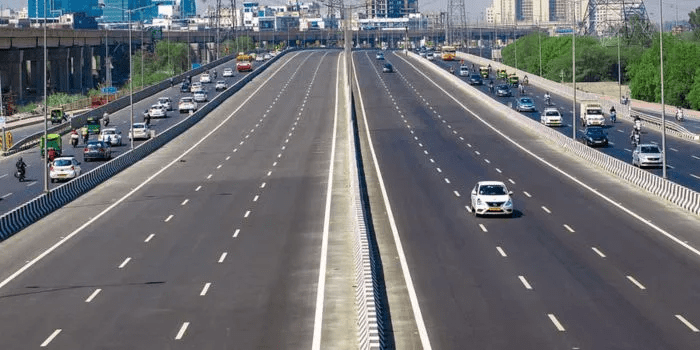
What Is the Rironi–Mau Summit Highway Expansion?
The Rironi–Mau Summit Highway expansion project is one of the most ambitious projects in infrastructure that will turn the existing two-lane highway into a modern multi-lane dual carriageway. The road is part of the Northern Corridor, which is the busiest road corridor in East Africa, linking the Port of Mombasa with Uganda, Rwanda, South Sudan, Burundi, and the eastern Democratic Republic of the Congo.
This route is used by thousands of trucks, buses, private vehicles, and commercial transport operators daily to transport people and goods across Kenya and to other countries. However, the existing highway has been unable to cope with the growing traffic flow, resulting in congestion and delays.
The expansion will provide a safer, faster, and more efficient transport corridor that will support Kenya’s development for decades to come.
Where Is the Highway Located?
The project covers a distance of about 175 km from Rironi, Kiambu County, to Mau Summit, Nakuru County. The entire infrastructure project is a 233-kilometer corridor, which also covers the 62 km complementary route along the Rironi–Mai Mahiu–Naivasha section.
The main towns on the way are:
- Rironi
- Limuru
- Naivasha
- Gilgil
- Nakuru
- Salgaa
- Mau Summit
The corridor is used by millions of people every year and is the most important gateway of western Kenya to neighboring countries in eastern Africa.
Why Does the Expansion Matter?
The Rironi–Mau Summit Highway is one of Kenya’s busiest roads. Over the past few years, the amount of traffic has risen dramatically because of the following:
- Population growth
- Increased vehicle ownership
- Expansion of regional trade
- Growth in tourism
- Rising agricultural and industrial production
“We are committed to ensuring this highway serves the people who rely on it every day. Safer roads, reduced travel time, and smoother journeys are the key objectives,” says the interior principal secretary, Raymond Omollo.
What Will the New Highway Include?
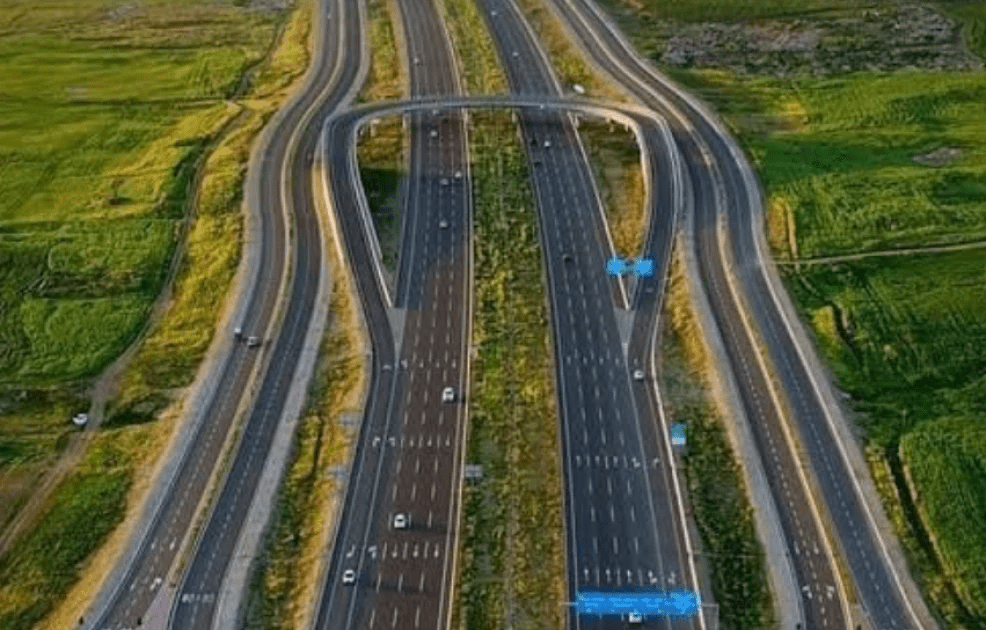
The Rironi-Mau Summit Highway is a four-lane dual carriageway from Rironi to Naivasha and then a six-lane dual carriageway to Nakuru. The 15 grade-separated interchanges, 8 footbridges, and 8 wildlife crossings will enhance the safety and efficiency of regional travel on the 175 km modern expressway.
Project Financing
The highway is being implemented through a Public-Private Partnership (PPP) model.
Under this arrangement:
- The construction is financed by private investors.
- Oversight and regulatory support are provided by the government.
- Over time, investors can expect to see their investment returned, usually by collecting tolls or by concession agreements.
The PPP model lowers the cost for taxpayers in the short-term and enables a large-scale infrastructure project.
Roughly Ksh 200 billion (USD 1.5 billion) is estimated to be needed for the construction of the Rironi-Mau Summit Road.
The construction of the highway is a project of a joint venture of the China Road and Bridge Corporation (CRBC) and the National Social Security Fund (NSSF).
Will the Highway Be a Toll Road?
Yes. The project is set up so that tolls will be charged to motorists on the improved highway.
Supporters say that tolling will:
- Ensure proper maintenance
- Improve service quality
- Provide sustainable funding
- Decrease dependence on borrowing from the public.
Once the road is functioning, motorists will pay up to Ksh8 per kilometer.
Expected Benefits
Faster Travel
One of the biggest benefits will be significantly reduced travel times.
For instance, the current journey time between Nakuru and Nairobi in heavy traffic could be significantly reduced during normal traffic conditions.
Reduced Traffic Congestion
More lanes will enable the free flow of traffic, particularly large trucks.
Improved Road Safety
New roads feature designs that help to discourage head-on crashes and enhance visibility through the following:
- Better junctions
- Controlled access
- Improved signage
- Safer overtaking opportunities
Economic Growth
The enhanced motorway will enable:
- Regional trade
- Tourism
- Manufacturing
- Agriculture
- Real estate development
- Logistics businesses
Reducing the costs of transport could render Kenyan goods more competitive in the region.
Job Creation
Thousands of construction jobs will be generated, both directly and indirectly, in engineering, construction, transport, hospitality, and support.
Challenges Facing the Project
With major infrastructure projects come some problems, and the project has not been spared.
Land Acquisition
Expansion of an existing highway will necessitate more land in some places. This may include giving money back to the land owner and companies impacted.
Environmental Considerations
When designing a construction, the following should be taken into account:
- Wildlife habitats
- Water resources
- Soil erosion
- Noise pollution
- Air quality
Environmental Impact Assessments (EIAs) are generally carried out before construction.
Funding and Investment Risks
Major infrastructure initiatives involve investing a lot of money and developing long-term budgets. Conditions or financing of the economy may impact implementation timelines.
Managing Traffic During Construction
One of the biggest operational challenges is likely to be maintaining traffic flow, as the highway is widened. During construction, lane closures and slower traffic may be necessary, and there may be temporary diversions.
Construction Timeline
The project is to be implemented in stages.
Key milestones include:
- Project approval
- Financing agreements
- Detailed engineering design
- Land acquisition
- Construction works
- Testing and commissioning
- Official opening
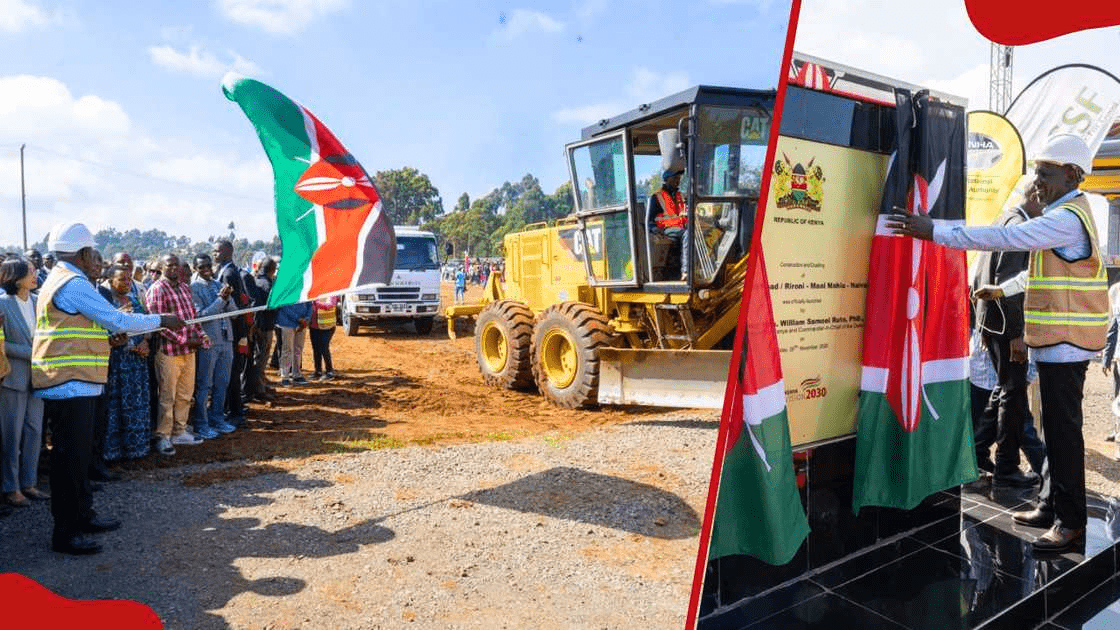
On 28th November 2025, President William Ruto officially inaugurated the Sh200 billion Rironi-Mau Summit Highway. The construction of the 175-kilometer stretch is in full swing, and the highway is expected to be finished in June 2027.
How the Highway Will Affect Businesses
The corridor businesses will see both short-term and long-term impacts.
Some businesses may have access restrictions and diversions during construction.
In the long term, the improvement of connectivity should boost customer flow, bring in new investment, and drive economic development in towns like Limuru, Naivasha, Gilgil, and Nakuru.
Travel Tips During Construction
For those who will be traveling on the Rironi–Mau Summit Highway during the construction:
- Put aside additional time.
- Follow temporary traffic signs and diversions.
- Look for traffic information prior to travel.
- When driving through construction areas, follow directions carefully.
- Try to take advantage of off-peak hours when possible.
Final Thoughts
The Rironi–Mau Summit Highway expansion is more than just a road; it’s a wise investment in Kenya’s future. The project can make one of Kenya’s key transport corridors a game-changer by alleviating congestion, promoting regional trade, and enhancing the connectivity between Nairobi and western Kenya.
Despite the difficulties in securing funding, land, environmental management, and construction disruption, there are long-term benefits to the project that should be high.
This new highway will provide a faster, safer, and more efficient trip for businesses, commuters, tourists, and freight drivers.
Staying informed will be helpful to motorists and businesses as they prepare for changes along the corridor as construction continues.