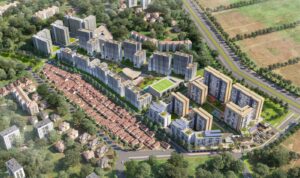
Residential vs Commercial Construction Services.Construction services fall into two major categories: residential and commercial. Both involve planning, skilled labor, materials, and project management, though the goals, processes, and requirements differ in many important ways. Understanding these differences helps property owners, developers, and investors choose the right construction approach for their projects.
What Are Residential Construction Services
Residential construction services focus on building spaces designed for living. These projects include single-family homes, duplexes, townhouses, apartments, and residential renovations. Comfort, functionality, and visual appeal play a major role in every decision.
Residential construction projects usually involve smaller crews and shorter timelines. Contractors work closely with homeowners to reflect personal preferences, lifestyle needs, and long-term comfort. Materials are selected for durability while maintaining a warm and inviting appearance.
Local building codes guide residential construction, though regulations remain less complex compared to large-scale commercial work.
What Are Commercial Construction Services
Commercial construction services focus on buildings designed for business or public use. These projects include office buildings, shopping centers, warehouses, hotels, hospitals, schools, and industrial facilities.
Commercial construction demands strict compliance with safety standards, zoning laws, and structural regulations. These projects often require advanced engineering, specialized equipment, and coordination across multiple teams. Timelines tend to stretch longer due to scale and regulatory approvals.
Durability, functionality, and long-term operational efficiency guide decision-making throughout commercial construction projects.
Key Differences in Project Scope
Residential projects typically cover limited square footage and simpler layouts. The focus stays centered on livability and efficient use of space.
Commercial projects involve larger structures, higher occupancy levels, and complex systems. HVAC, electrical capacity, fire safety systems, and accessibility requirements receive greater attention during commercial construction planning.
Differences in Design and Planning
Residential design prioritizes comfort, privacy, and aesthetics. Homeowners often influence design choices directly, leading to customized layouts and finishes.
Commercial design focuses on workflow, customer experience, and compliance. Architects and engineers design spaces to support business operations, employee movement, and public access. Flexibility and future expansion also factor into commercial planning.
Construction Materials and Techniques
Residential construction often uses lighter materials such as wood framing, standard concrete foundations, and residential-grade finishes.
Commercial construction relies on reinforced concrete, steel structures, and heavy-duty materials. These materials support higher loads, increased traffic, and longer operational lifespans.
Construction techniques differ as well. Commercial projects require advanced machinery, specialized labor, and detailed scheduling to manage large-scale operations.
Cost and Budget Considerations
Residential construction budgets usually remain lower due to smaller size and reduced complexity. Costs depend on location, materials, and design choices.
Commercial construction budgets reach significantly higher levels. Factors such as engineering requirements, regulatory compliance, and specialized installations influence pricing. Accurate cost planning becomes essential to avoid financial overruns.
Timelines and Project Management
Residential construction timelines often range from a few months to one year. Clear communication between contractor and homeowner helps maintain progress.
Commercial construction timelines extend longer due to permitting processes, inspections, and coordination across multiple stakeholders. Professional project management plays a critical role in keeping schedules on track.
Choosing the Right Construction Services
Selecting residential or commercial construction services depends on project purpose, scale, and long-term goals. Residential projects benefit from contractors experienced in custom homes and renovations. Commercial projects require teams skilled in large-scale coordination and regulatory compliance.
Understanding these differences leads to better planning, realistic expectations, and successful construction outcomes.